
A common misconception in DeFi is that a secure wallet automatically makes every transaction safe. It does not. A wallet can protect the keys used to sign transactions while a user still grants a risky smart contract permission to move tokens later. That distinction is easy to miss because both actions happen through the same browser window, often within seconds.
For US users exploring decentralized exchanges, lending markets, bridges, and other Ethereum Virtual Machine networks, Rabby can serve as a practical transaction-review layer in a browser extension. But its value depends on how the user interprets warnings, checks the network and contract, and manages old approvals. Installing a wallet is the beginning of an operating process, not the completion of one.
Two Different Risks: Signing Once and Approving for Later
The first useful mental model is to separate a transaction signature from a token allowance. When a user swaps an asset, the wallet may ask the user to approve a token contract before the swap can occur. That approval is not necessarily the swap itself. It is an on-chain permission that tells a designated spender, usually a smart contract, how many units of a particular token it may transfer from the user’s address.
This creates an important asymmetry. A one-time transfer may expose only the amount specified in that transaction. A broad approval can remain active after the user closes the website, uninstalls an extension, or stops using the protocol. If the approved contract is later exploited, compromised, or simply not the contract the user intended, the allowance may become an additional attack surface. The wallet’s private key has not been stolen, yet the user’s assets can still be at risk through a permission already recorded on-chain.
That is why “I did not sign a withdrawal” is not always a meaningful defense. The relevant question is often: what did the user authorize previously, and who can exercise that authorization now? Token approval management answers that question by inspecting and, when appropriate, reducing or revoking allowances.
Rabby Versus Manual Approval Management
There are two broad approaches to this problem. The first is a wallet-centered workflow: use a wallet such as Rabby to inspect transaction simulations, identify the chain and contract involved, and pause when the requested permission appears broader than expected. The second is a manual workflow: use a separate allowance-management tool or blockchain explorer, locate existing approvals, and submit revocation transactions directly.
Neither approach eliminates risk. A wallet interface can make transaction intent easier to understand, but it cannot guarantee that every simulation is complete or that a malicious application will behave identically in every possible state. A manual approval dashboard can provide a useful inventory, but the user must still identify the correct network, token, spender, and revocation action. The trade-off is convenience versus auditability: integrated review reduces friction at signing time, while dedicated management may provide a clearer periodic inventory.
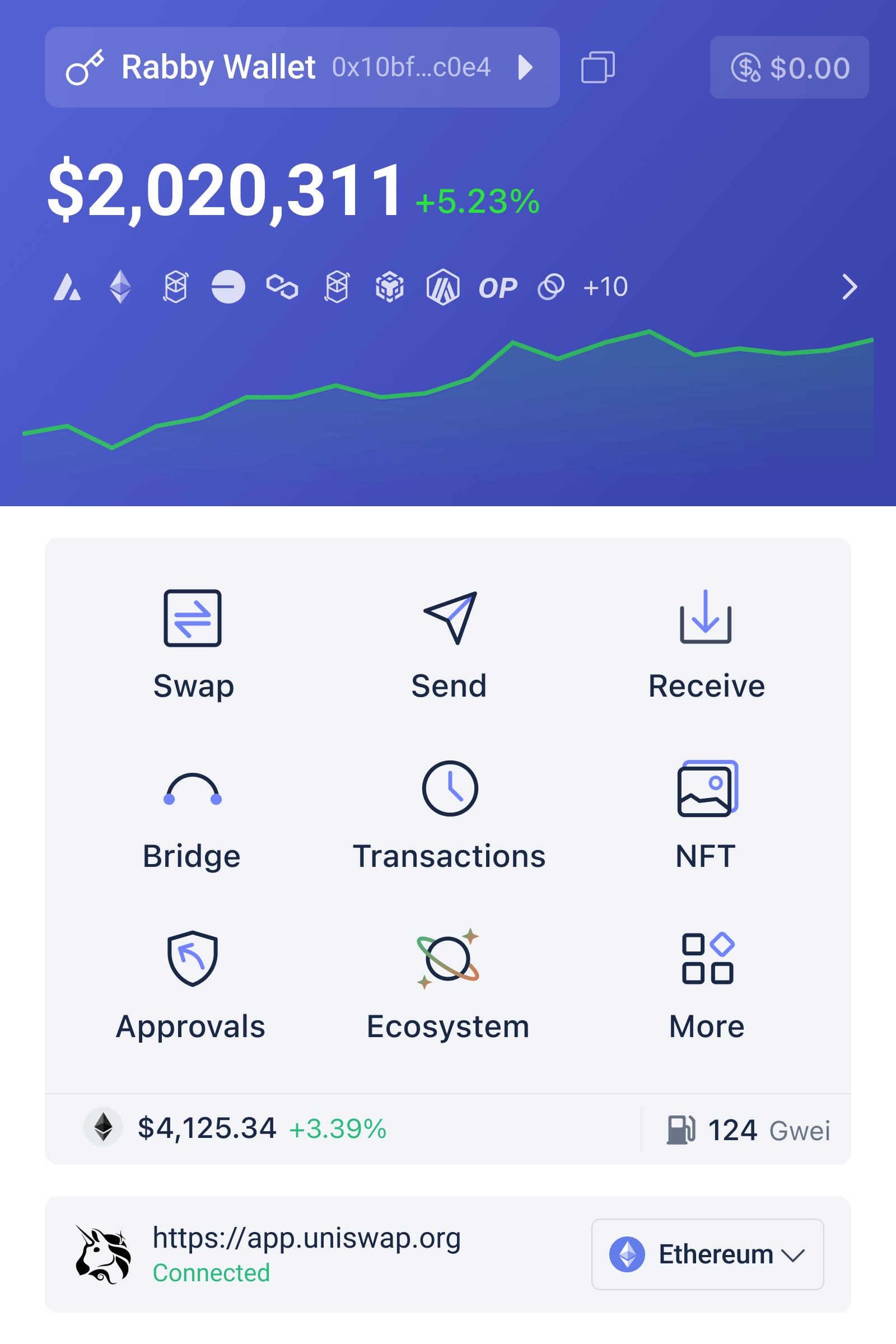
Rabby’s browser extension is designed for Ethereum and other EVM-compatible networks, and recent project messaging has emphasized extension access through browsers such as Chrome and Brave. If you are preparing an installation, use the rabby wallet download resource to locate the intended setup path, then verify that the extension is being installed through a trusted distribution channel and that the browser shows the expected publisher information.
During setup, the recovery phrase deserves more caution than the visual design of the wallet. Anyone who obtains that phrase can generally recreate control of the wallet elsewhere. It should never be entered into a website, sent in a message, stored in a cloud note, or copied into an unknown form. A browser extension also introduces a different operational boundary from a hardware wallet: the keys may be used in a computer environment exposed to browser malware, malicious extensions, phishing pages, or unsafe clipboard behavior.
What to Check Before Approving a DeFi Transaction
Transaction review works best as a sequence of questions rather than a single green safety label. First, is the network correct? A familiar token symbol on the wrong chain may represent a different asset or contract. Second, is the destination contract the one the user intended to interact with? Search results, advertisements, social posts, and copied links can lead to lookalike applications. Third, is the wallet requesting an approval, a transfer, a permit, a contract call, or several actions bundled together?
The fourth question is the most revealing: what is the maximum amount and duration of the permission? Some token standards and application designs request a very large allowance to avoid asking for approval on every future transaction. This can make the experience faster, but it also increases the consequences of a compromised spender. A smaller, transaction-specific allowance may create more prompts and gas costs, yet it narrows the permission’s potential reach.
Users should also compare what the application claims will happen with what the wallet appears to be signing. A page might describe a simple token swap while the request includes an unfamiliar contract call or an unexpected approval. Simulation tools can help translate contract behavior into a human-readable preview, but they are not an oracle. They depend on available chain data, contract behavior, and the state being simulated. A result that looks normal at one moment does not prove that every future interaction with the same contract is safe.
Revoking Approvals Is Useful, but It Is Not a Reset Button
Revocation is often described as if it were equivalent to deleting a password. In reality, it is another blockchain transaction. The user must pay network fees, select the correct spender, and wait for the change to be confirmed. On busy or expensive networks, the cost can influence whether frequent cleanup is practical. Revoking an approval also does not undo transfers that already occurred, reverse a malicious transaction, or recover funds sent to the wrong address.
There is another subtle limit: revoking everything indiscriminately can disrupt legitimate positions or workflows. A lending market, vault, or trading application may require an allowance to function. A user who revokes permissions without understanding the relationship between token, spender, and protocol may later approve the same contract again, adding friction without improving the underlying decision. The goal is not to make the wallet empty of permissions; it is to make permissions intentional, bounded, and understandable.
A practical routine is to review approvals when leaving a protocol, after interacting with an unfamiliar application, and at regular intervals for wallets that hold meaningful value. Separate long-term holdings from active DeFi funds when possible. A smaller “hot” balance limits the damage that a bad approval or compromised browser session can cause, while a more protected account can remain disconnected from routine experimentation.
Installation Security and Operational Discipline
Installing a browser wallet should be treated like installing financial software. Start with the browser profile you actually intend to use, remove unnecessary extensions, and avoid running unknown scripts or wallet utilities alongside it. Before importing an existing wallet, confirm that the recovery phrase belongs to the correct account and that the address displayed after import matches a previously verified address. Never test an unfamiliar extension with a valuable account.
Phishing remains a boundary condition that wallet software cannot fully solve. A fake application can request a real signature, and a real wallet can faithfully display a request produced by a malicious website. Domain spelling, application bookmarks, contract addresses, and independent confirmation channels still matter. Hardware wallet support can reduce exposure of private keys, but it does not make a user immune to signing a harmful approval on the device.
For US DeFi users, tax records and operational records add another reason to distinguish approvals from transfers. An approval may not represent an economic disposal in the same way as a swap, but network fees, revocations, and protocol interactions can still complicate recordkeeping. Wallet security and tax organization are separate concerns, yet both improve when the user keeps a clear history of which applications were used and why.
What to Watch as Wallets Become More Interpretive
The direction of travel is toward wallets that explain intent rather than merely display raw transaction data. If that trend continues, users may receive more contextual warnings about approvals, contract behavior, network mismatches, and unusual asset movements. The useful signal to watch is not the number of warnings, but whether the warnings are specific enough to support a decision without encouraging alert fatigue.
The unresolved issue is that smart contracts remain stateful systems. A contract can behave safely in one context and produce a harmful result in another, especially when prices, permissions, upgrade paths, or external dependencies change. Better interfaces can reduce preventable mistakes; they cannot replace independent judgment or eliminate protocol risk. Conditional approvals, clearer spender labels, and stronger simulation could improve the situation, but each depends on accurate data and careful implementation.
Frequently Asked Questions
Does installing Rabby automatically revoke old token approvals?
No. Installing a wallet does not change permissions already recorded on a blockchain. Existing allowances remain associated with the address and the approved spender until they are used, reduced, or revoked through a separate transaction.
Is a large token approval always a scam?
Not necessarily. Some legitimate applications request broad allowances for convenience or compatibility. However, a large or unlimited approval increases potential exposure if the spender is compromised or misidentified. The sensible response is to verify the contract and consider whether a smaller allowance fits the user’s risk tolerance.
Can a wallet simulation guarantee that a transaction is safe?
No. Simulation is an important review aid, but it reflects available information and a particular transaction state. It may not capture every future contract behavior, external dependency, or social-engineering risk. Treat it as evidence to evaluate, not as a guarantee.
What is the simplest approval-management habit for a new DeFi user?
Before signing, identify the network, contract, token, spender, and maximum allowance. After leaving an application, review whether that permission is still needed. Keep only the funds required for active use in the browser wallet, and protect the recovery phrase as the ultimate control credential.
The sharper lesson is that wallet security is not a single product feature. It is a chain of decisions: obtaining the extension safely, protecting the recovery material, verifying the application, understanding the requested permission, and cleaning up access that no longer serves a purpose. Rabby may make parts of that chain more visible, but the user still decides what the wallet is allowed to sign. In DeFi, that decision is the real security boundary.